Choosing where to have lip filler injections is a bigger decision than it looks from the outside. You are trusting someone to work millimeters from arteries and nerves, to balance symmetry and proportion on a feature your eye notices in every selfie, and to use products that live in your face for months. The right lip filler clinic makes this experience feel controlled and calm. The wrong one leaves you chasing corrections, managing avoidable swelling, or in rare cases, dealing with complications that demand urgent care.
I have sat on all sides of this table: consulting patients who want a natural lip filler look, fixing overfilled borders from budget deals, training newer injectors on safety drills, and even advising clinics on how to set up emergency kits and consent processes. The practical differences between a great clinic and a mediocre one are plain once you know what to look for. Here is how to evaluate credentials, read reviews with discernment, and judge safety without needing a medical degree.
What “qualified” actually means
Credentials are not decorative. They tell you who can safely handle complications, who understands facial anatomy, and who knows when not to inject. Titles vary by country and state, but a solid benchmark is this: your primary injector should be a physician with relevant board certification, or an advanced practitioner with formal training in aesthetic medicine and direct medical oversight on site. In many regions, dermatologists, plastic surgeons, facial plastic surgeons, and oculoplastic surgeons lead in lip augmentation. Experienced nurse practitioners and physician associates who specialize in cosmetic treatments also achieve excellent outcomes when they work under robust clinical governance.
Ask directly about training that goes beyond a single weekend course. Look for certificates in aesthetic injectables, memberships in professional societies, and evidence of ongoing education. Lip filler technique evolves. Cannula versus needle choice, microdroplet placement, approaches for a strong Cupid’s bow versus addressing vertical height, all benefit from continuing practice and mentorship.
Equally important is the scope of practice. A spa with a nice lobby does not guarantee medical readiness. If the lip filler service is performed by an aesthetician without medical credentials in a setting without prescriber oversight, you may face delays in getting hyaluronidase in an emergency, or you may be offered unlicensed filler. That is not a risk worth taking for any lip enhancement.
Product matters more than marketing
Most lip fillers used today are hyaluronic acid based. The brands differ in crosslinking, viscosity, elasticity, and how they integrate into soft tissue. A softer gel will deliver a smooth, hydrated look and good lip definition. A firmer gel can add structural support and subtle projection at the vermilion border, but used poorly it can create a shelf or a stiff smile.
A reputable clinic will use FDA approved or CE marked products appropriate for the lips, not a generic or gray market filler. They should be comfortable telling you the brand and product name, showing you the sealed box, and documenting the lot number. This protects you during your lip filler session and helps in the unlikely event you ever need to report a side effect. Cheap deals that undercut typical lip filler price ranges often come from using older stock or nonstandard supply chains. If a clinic refuses to confirm the product, that counts as a serious red flag.
A quick note about “the best lip filler.” There is no single best lip filler for everyone. Thin lips with tight skin may need a different gel than soft, full lips seeking detailed Cupid’s bow enhancement. For symmetry corrections, a precise, low swelling filler works well. For subtle volume boost, a mid‑cohesive gel that integrates quickly can be ideal. An experienced lip filler specialist will tailor the choice to your anatomy, movement, and goals.
How to read reviews like a pro
Lip filler reviews can reveal as much about the clinic’s culture as the technical results. I read past the star rating and scan for three things: communication, aftercare, and consistency.
Communication shows in how the clinic handles first‑time patient anxiety. Look for mentions of a lip filler consultation that felt unhurried, realistic expectation setting, and clarity about lip filler risks and benefits. Aftercare tells you whether the clinic follows up, offers reachable support lines, and knows how to handle normal swelling versus an emerging complication. Consistency shows when you read multiple reviews referencing natural lip filler results, or specifically praising the same injector’s technique and bedside manner.
Discount‑driven reviews feel different. They often mention price first, gloss over details, and sometimes note surprise add‑on fees. A few rave about dramatic results on day one, then bury a later update about prolonged swelling or a need for unplanned lip filler touch up. Treat those as data points, not the full story.
Social media matters, but curated galleries can mislead. Lighting, lip liner, and lip flip effects can confuse lip filler before and after comparisons. When you look at photos, check that the angles match, the expressions are neutral, and the skin tones are consistent. Ask to see a range of lip filler results, including subtle outcomes, fuller lips, men’s lips, and different ages. A clinic that only shows dramatic volume may not be the best choice if you lip filler NJ want a natural look.
Your quick clinic checklist
- A licensed medical prescriber is involved in your care and is available on site. The clinic discloses filler brand, shows sealed packaging, and records lot numbers. A full consultation covers goals, anatomy, side effects, and alternatives like a lip flip. Hyaluronidase, emergency protocols, and an after‑hours contact are in place. Pricing, product amount, and likely lip filler maintenance plan are documented.
If any of these points are missing, slow down. Good clinics make this easy.
Safety protocols you should hear about without having to ask
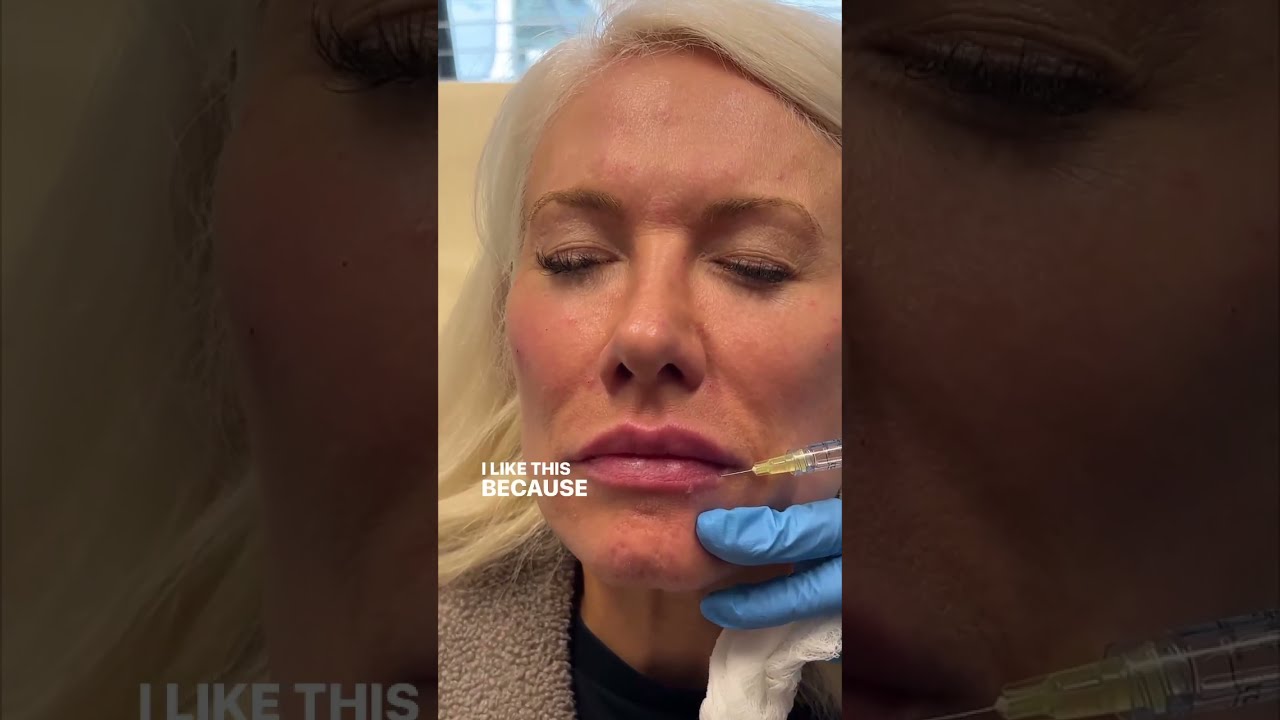
In a safe clinic, the injector talks you through infection control steps and vascular safety as part of the normal flow. You should see hand hygiene, alcohol‑based skin prep, and sterile needles or cannulas. Makeup is removed. Lip balm is wiped off. New gloves appear when moving from exam to injection. The injector positions you with good lighting and a clear view of your lip borders and philtral columns. These are not small matters; they reduce contamination and help with precise placement.
Vascular occlusion is the complication everyone worries about, and with reason. While the risk is low with hyaluronic acid lip volumizing treatment in experienced hands, it is not zero. I like to hear a clinic explain how they minimize risk: small aliquots, appropriate depth, awareness of labial artery paths, and readiness to recognize early signs like disproportionate pain, blanching, or livedo changes. Hyaluronidase should be available and not just in a locked cabinet someone needs to find. The aftercare plan should include specific guidance on when to contact the clinic, and a same‑day review protocol for concerning symptoms.
Cold sores deserve a mention. If you have a history of HSV‑1, the clinic should discuss prophylactic antivirals before lip filler treatment. This is particularly relevant for first‑timers or those planning a larger volume change, since lip trauma can trigger a flare.
Anatomy and aesthetic judgment
Even a flawless product and perfect hygiene do not guarantee a beautiful result. Lip filler technique is a craft. I evaluate an injector’s aesthetic judgment in the consult. Do they look at the whole face, not just your lips? Do they notice tooth show, chin projection, and nasal base support that influence lip shape? Do they sketch a plan for the Cupid’s bow, tubercles, and vermilion height that fits your natural lip shape, rather than using the same approach for every mouth?
Sophisticated lip enhancement is not about maximal volume. It is about contour, balance, and respecting how lips move in speech and laughter. A good injector will often start with less, focus on borders and definition, then reassess at a two‑week follow‑up. This phased approach manages swelling and avoids that “inflated at rest, collapsed when smiling” look.
What to expect at a thorough consultation
A proper lip filler consultation takes 20 to 40 minutes, sometimes longer for beginners. You will discuss medical history, including bleeding disorders, autoimmune diagnoses, previous cosmetic treatments, and medications that may increase bruising. Pregnancy and breastfeeding are reasons to defer elective lip filler procedures. The injector will examine your lip anatomy at rest and in animation, note asymmetries, and check for lumps or scar tissue from past fillers.
Numbing options vary. Most clinics apply topical anesthetic for 15 to 25 minutes. Some add a dental block for very sensitive patients, which provides deeper comfort but can slightly distort lip movement during the procedure. Many modern fillers contain lidocaine, which helps after the first few passes. You should understand the plan and decide on your comfort preferences before the lip filler appointment begins.
Pricing transparency belongs in the consultation. Honest clinics discuss the lip filler cost range, what volume is recommended for your goals, and how long the chosen product typically lasts in lips, often 6 to 12 months. Metabolism, animation, and product type influence duration. For thin lips or first‑timers, plan for a conservative first session with a potential touch up later. The clinic should document everything in your treatment plan, including consent that lists specific lip filler side effects and rare risks.
Day‑of experience and early recovery
On the day, arrive with clean skin and hydrated lips. Skip lipstick and heavy skincare. Expect the practitioner to take standardized photos before starting. Most lip filler injections take 15 to 30 minutes depending on the technique. You will feel pressure and pinching, but the pain level usually rates as mild to moderate. Clear communication helps: a countdown before each pass, pause requests honored, and an injector who checks capillary refill and skin color regularly.
Bruising and lip filler swelling are normal, especially in the first 24 to 72 hours. I advise cool compresses intermittently the first evening and sleeping slightly elevated. Alcohol, strenuous activity, and sauna increase swelling, so save workouts for a couple of days later if you are bruise‑prone. Tiny lumps can appear as filler settles, which often soften with massage if your injector advises it. Do not self‑massage aggressively without clear instruction; lip filler Summit NJ placement can shift.
Most people feel camera‑ready by day 5 to 7, though small residual swelling can persist for up to two weeks. Plan big events accordingly. Lip filler downtime is minimal for work, but if your job is on camera, schedule buffer days. Many clinics offer same day appointment slots, which are convenient, but I prefer planning a week ahead so you can do proper pre care and arrange follow‑up.
Common side effects and how clinics should guide you
Short‑term side effects include tenderness, bruising, swelling, and temporary asymmetry while one side settles faster than the other. Less common issues are cold sore reactivation and palpable nodules. Allergic reactions to hyaluronic acid are rare. The serious risks we screen for are vascular compromise and infection. Early intervention is key. Good clinics give you specific aftercare instructions and a direct phone number, not a generic email.
I like to hand patients a printed card or text message protocol that distinguishes normal from concerning. For example, a bruise that looks worse on day two is normal. A patch of skin that turns pale or dusky, with increasing pain and a netlike color change, is not normal and warrants immediate review. Responsible clinics keep hyaluronidase on hand, understand dosing, and have clear pathways for escalation if needed.
How much should lip fillers cost, really
Lip filler price varies by geography, product, and injector experience. In many US cities, a single syringe ranges from the high hundreds to low thousands of dollars. Regions with lower overhead may price lower. Beware of anchor pricing where the base cost looks low, but everything else is an add‑on, from numbing to follow‑up. The most honest structure states the product amount, the injector level, and what the lip filler service includes. If a clinic is much cheaper than others of similar caliber nearby, ask how they source products, how they train injectors, and whether aftercare is included. Savings are attractive, but complications are expensive.
Packages and deals have their place. If you are planning tear trough filler, chin balancing, or skin boosters alongside lip enhancement, bundled pricing can make sense. Just avoid being rushed into multiple procedures at once, especially if this is your first time with injectables. Start with one area, assess your comfort and your body’s response, then build a plan.
Maintenance, touch ups, and living with your new lips
Lip filler duration is typically 6 to 12 months, sometimes longer with firmer gels in low‑motion areas, sometimes shorter in expressive mouths. Most patients consider a lip filler touch up at 6 to 9 months to maintain shape without a full refill. Over time, a little product can linger, so maintenance visits often require less than the initial volume. Be cautious about chasing fullness every few months. Stacking too much too fast risks migration above the vermilion border and that blurred lip line people regret.
Plan for periodic assessment of lip texture and hydration. Some clinics offer very soft, microdroplet hydration treatments for smoothness without visible volume, which can complement a past volumizing treatment. Others incorporate microneedling or laser resurfacing around the mouth to address fine lines, separate from filler.
Alternatives and combinations: lip flip, implants, and surgery
A lip flip with botulinum toxin softens the muscle pull on the upper lip, letting the pink show a bit more. It pairs well with a small amount of filler when vertical height is limited, or as a trial for those nervous about volume. It does not add volume, it relaxes movement. Expect a lighter smile and a change in how you sip from a straw for several weeks.
Lip implants and surgical lip lifts are permanent options, but they carry higher commitment and a different risk profile. They suit specific cases, like severe thinness, significant asymmetry, or age‑related changes that fillers cannot correct reliably. A thoughtful clinic explains these trade‑offs without pushing you there if filler can meet your goals.
Special considerations: men, age, and first‑timers
Men seeking lip enhancement often want better definition, contour, and symmetry without overt fullness. Technique shifts accordingly, with emphasis on the lower lip body and a restrained approach to the upper lip border. The goal is to preserve a natural masculine lip proportion. A good injector can show lip filler results from male patients to guide expectations.
Age matters less than maturity and medical safety. Many clinics set a minimum age of 18, sometimes higher, and require clear consent. For younger patients, education about subtle results and the risks of overfilling helps prevent trend chasing. For older patients, lip filler for thin lips can rejuvenate the mouth area by restoring structure, but we also address perioral lines and dental support to avoid a floating, isolated lip look.
First‑timers benefit from an incremental plan. I often suggest starting modestly, scheduling a two‑week check, and deciding together whether to add volume. The experience of living with your new lips for a short period informs better choices than a single large fill on day one.
Hard red flags you should not negotiate
- The clinic cannot name the exact filler, show packaging, or record lot numbers. No medical professional is available to manage complications that day. Consent skims benefits but skips lip filler risks and aftercare instructions. Pressure tactics to buy more syringes or same day bundles you did not request. Poor hygiene: reused supplies on display, makeup allowed during injections, or no skin prep.
If you encounter any of these, walk away. Your lips will thank you.
The med spa question: dermatologist, plastic surgeon, or aesthetician
You can get excellent lip filler at a med spa, a dermatology practice, or a plastic surgery clinic. What matters is the team’s training, oversight, and standards. In physician‑led clinics, injectors of different backgrounds can perform at a high level under supervision. In stand‑alone spas without medical direction, the quality varies widely. Your task is to identify whether the environment is clinical in practice, not just in name.
I ask who handles complications, not just who does the injections. I look at the stock room for labeled hyaluronidase and emergency meds, and I ask to see the protocol binder. If a clinic welcomes this level of scrutiny, it means they take lip filler safety seriously.
A realistic timeline and what success feels like
From lip filler booking to seeing your final result, plan for two to three weeks. Day 1 brings fullness with predictable swelling. Days 2 to 3 may look puffy in the mirror. By day 7, shape and definition emerge. At two weeks, a follow‑up allows small refinements if needed. Your lips should feel like your lips by then, not foreign objects. When you smile, they should move naturally. Friends may notice you look fresh but not know why. That is a sign of a well‑executed lip enhancement.
A good clinic checks in, tracks your outcome photos, and files your preferences for next time. They also remind you of sun protection and general skin health, because beautiful lips sit in the context of a healthy face.
Final thoughts before you type “lip filler near me”
Location matters for convenience, but it should not outweigh credentials and safety. If you have to travel a bit farther for a lip filler specialist you trust, it is worth the commute. Use online booking to manage your schedule, but do not let a quick slot tempt you into skipping a full consultation. You are not buying a tube of gloss. You are choosing a medical procedure that can be subtle, artful, and safe when performed by the right hands.
If you remember nothing else, remember this: insist on transparency about who is injecting you, what product is being used, and how the clinic will protect you if something goes off script. The rest, from lip filler technique to aftercare, tends to fall into place when those fundamentals are strong.